Assessment and stabilization
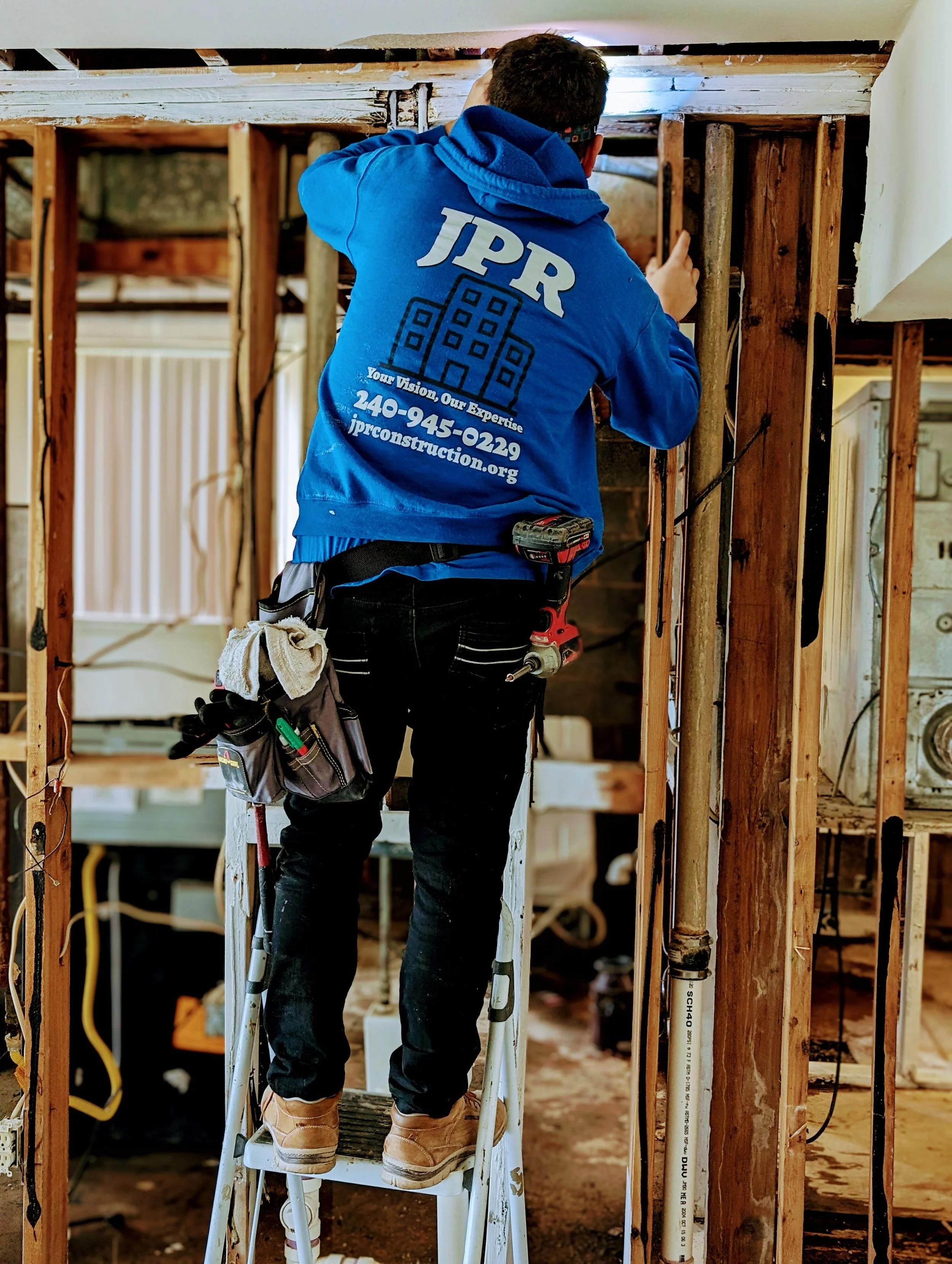
Document visible damage, identify affected assemblies, coordinate drying requirements, and establish safe access before reconstruction.
Property restoration
From moisture assessment and damaged-material removal to reconstruction and final finishes, JPR helps return affected homes and commercial properties to usable condition.
Qualified estimate request
Share the property, timeline, budget range, and scope so JPR can evaluate the right next step before calling.
A complete recovery plan
Water can affect drywall, insulation, flooring, cabinetry, framing, and finishes well beyond the first visible stain. JPR begins by documenting affected areas, identifying the work already completed by mitigation teams, and defining what must be removed, repaired, or replaced.
Once the property is ready for reconstruction, JPR coordinates trades and finish work under one scope. That continuity is especially useful for occupied homes, rental properties, offices, and commercial spaces where access, protection, and scheduling matter.
Restoration scope
The final scope depends on the water source, affected materials, moisture conditions, and property use.
Document visible damage, identify affected assemblies, coordinate drying requirements, and establish safe access before reconstruction.
Remove unsalvageable finishes and rebuild drywall, insulation, framing, flooring, cabinetry, trim, and other affected components.
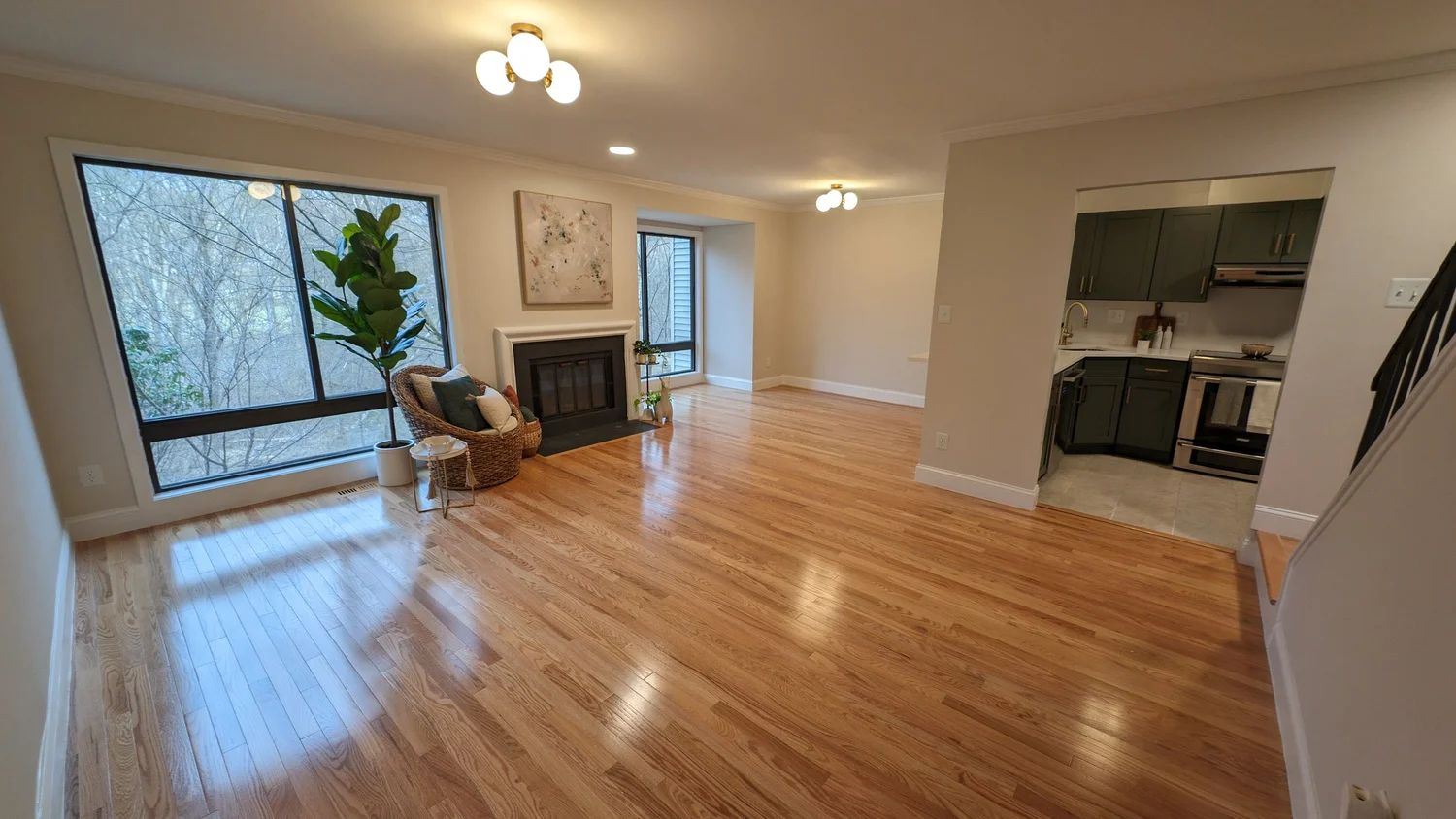
Coordinate paint, tile, flooring, fixtures, and final details so the repaired area works with the surrounding property.
From damage to finished space
JPR organizes the repair around the property, not a generic checklist. The team accounts for existing finishes, material lead times, permits when required, and the sequence needed to reopen the affected rooms.
Maryland service area
JPR serves Jessup, Columbia, Ellicott City, Rockville, Potomac, Bethesda, Silver Spring, Gaithersburg, Frederick, Urbana, and nearby communities across Howard, Montgomery, and Frederick counties.
Water damage FAQ
Yes. JPR can assess the reconstruction scope after extraction and drying, then coordinate removal, repair, rebuilding, and finish work.
Yes. The scope can focus on a bathroom, kitchen, basement, office, apartment, or another defined area while accounting for adjacent finishes.
Yes. Planning can include dust protection, access routes, work-zone separation, and scheduling intended to reduce disruption.
Provide the property location, source and date of damage, affected rooms, mitigation status, photos, and any available insurance or inspection documentation.
Plan the reconstruction
Share the affected rooms, mitigation status, property type, and target timeline to begin a practical restoration scope.